
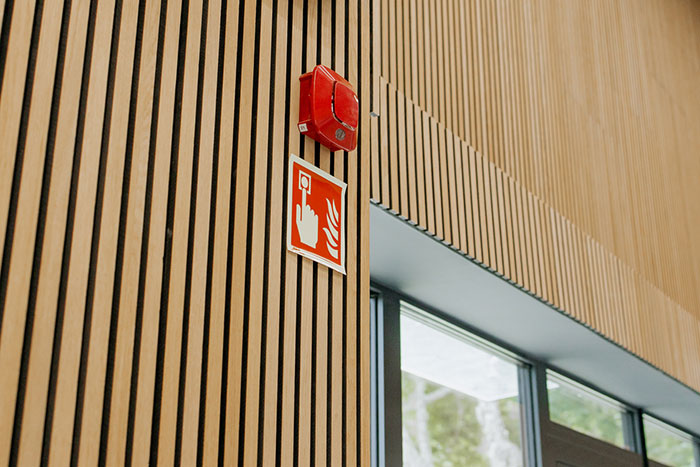
A fire alarm system is one of those things that just sits in the background until the exact moment it’s needed. Most of the time, it’s easy to forget it’s even there.
However, fire alarm systems don’t last forever, over the years they become less responsive, more temperamental and sometimes outright unreliable without any obvious warning signs.
Additionally, fire alarm technology evolves and building standards change. What once met compliance and performance expectations may no longer provide the level of protection your building needs today.
Read on as we take a look at some of the key signs your fire alarm system may be due for an upgrade.
Age is one of the clearest indicators that a fire alarm system may need attention.
While many systems are built to last, detectors, control panels and backup batteries can degrade over time. Technology also advances quickly in the fire safety industry, meaning older systems may lack features now considered standard.
If your system is over ten years old, you should have it assessed by a qualified fire protection service provider to determine whether it still meets current standards.
Regular false alarms.
When people experience repeated unnecessary evacuations, they may begin to ignore alarms altogether and become complacent.
Common causes can include outdated detectors, environmental sensitivity issues, dust accumulation or system faults. If false alarms are becoming a regular occurrence, it may be a sign your system is struggling to operate effectively in your current environment. Upgrading to modern detection technology can significantly reduce false activations while improving reliability.
Difficulty sourcing replacement parts or servicing providers.
Older fire alarm systems often rely on discontinued components, making maintenance more expensive and less reliable over time. In some cases, manufacturers may no longer support certain models at all.
A professional fire protection service can assess whether continued repairs are cost-effective or whether a full system upgrade would be more practical and reliable in the long term.
Your building has changed, but the system hasn’t.
Buildings rarely stay the same forever. Renovations and layout changes can affect fire safety requirements.
If your fire alarm system hasn’t been updated to reflect changes in building use or structure, it may no longer provide adequate coverage. For example:
New office spaces may require additional detection points
New partitions can interfere with smoke detection coverage
Increased occupancy rates may require a faster evacuation response
Added equipment or storage areas may introduce new fire risks
Fire protection systems should always reflect how a building is actually being used not how it was originally designed.
Physical condition is another important indicator.
Cracks, discolouration, damaged wiring or frequent malfunctions can all suggest that the system is reaching the end of its operational life. While individual components can sometimes be replaced, widespread wear often indicates a broader system issue that may justify an upgrade.
Upgrading a fire alarm system improves safety outcomes.
Modern systems offer faster and more accurate detection and enhanced compliance with current standards.
Most importantly, they provide greater peace of mind that your building is properly protected.
Assessing, maintaining and upgrading fire alarm systems is not something that should be left to guesswork. A qualified provider of fire protection service solutions can evaluate your current system and recommend upgrades tailored to your building’s needs.
If your system is aging, experiencing faults, struggling with false alarms or no longer meeting current standards, it’s time to take action.
Reach out to the team at Fire Master today, we are the premier choice for domestic and commercial fire alarm installations in Australia. Contact us online or call 1300 599 765 today.